The Original Essential Oil Company
Junchen Cosmetics
Essential oil manufacturer for over 25 years
JunChen has been producing essential oils and hydrosols . Our family has earned its reputation through its experience and quality requirements.
we are essential oil manufacturers dedicated to providing the best possible products and services to our clients. We believe that quality should never be compromised, and we work tirelessly to ensure that our oils are the highest quality possible. Whether you’re looking for a specific oil or want to create a custom blend, we can help. Contact us today to learn more about our products and services.
As essential oils suppliers, we are dedicated to providing a diverse assortment of high-quality products. Our selection includes Absolutes, Co2 Extracted Oils, Fragrance Oils for Candles, Fragrance Oils for Soaps, Fragrance Oils for Perfumes, Fragrance Oil Concentrates, Aromatic Chemicals, Floral Waters, and Natural Indian Attars. Our products are made with the best ingredients and crafted with care to ensure that you receive the highest quality possible. We are committed to providing excellent customer service and ensuring that our customers are satisfied with their purchase. Thank you for choosing our company as your source for essential oils and other related products.
We grow several varieties of lavender and aromatic plants, which we distill throughout the seasons, to produce high-quality essential oils.
Exploring the Manufacturing Process of Essential Oils
In today’s world, the demand for natural products has increased significantly, and essential oils have gained immense popularity due to their various benefits. Essential oils are concentrated plant extracts that capture the essence of aromatic plants. They are used in a wide range of applications, including aromatherapy, skincare, cleaning products, and even culinary uses.
Essential oils are powerful natural substances that contain many healing properties. They are extracted from a variety of plant parts including flowers, leaves, bark, seeds, roots and twigs.
1. Historical Background of Essential Oil Extraction
Essential oils have been used for thousands of years, dating back to ancient civilizations such as Egypt, China, and India. These cultures recognized the powerful therapeutic and aromatic properties of plant extracts. In Egypt, essential oils were used in religious rituals, embalming, and medicine, while traditional Chinese medicine incorporated plant extracts into holistic healing practices. As techniques evolved, the distillation method became the most popular way to extract essential oils, marking a significant advancement in their production.
2. Selecting the Right Plants
The first step in the manufacturing process of essential oils is selecting the appropriate plants. Different plants contain varying amounts and types of essential oils, so it is crucial to choose the ones that yield the desired properties. Factors such as the plant’s botanical species, growing conditions, and geographic location play a significant role in determining the quality and aroma of the oil.
3. Organic vs. Conventional Essential Oils
One of the first decisions manufacturers face is whether to use organic or conventionally grown plants. Organic essential oils come from plants that are cultivated without synthetic pesticides, herbicides, or fertilizers. They are often preferred by consumers seeking natural and eco-friendly products. However, conventional farming can sometimes yield larger quantities of essential oils, making it a more cost-effective option for certain manufacturers. The choice between organic and conventional oils ultimately depends on the target market and environmental considerations.
4. Wildcrafted Essential Oils
In addition to organic and conventionally grown plants, some essential oils come from wildcrafted sources. Wildcrafted plants are harvested from their natural habitats, where they grow without human intervention. These oils are valued for their purity and strength, as the plants thrive in their native environments. However, wildcrafting requires careful sustainability practices to ensure that over-harvesting does not threaten plant populations or ecosystems.
5. Harvesting the Plants
Once the plants are selected, they are carefully harvested at the peak of their oil content. The timing of the harvest is essential, as it can significantly impact the oil’s quality. Some plants are harvested manually, while others are harvested using specialized machinery to ensure the preservation of the oil-rich plant parts.
6. Preparing the Plant Material
After harvesting, the plant material goes through a preparation phase. This involves removing any unwanted parts such as leaves, stems, or flowers that do not contribute to the essential oil production. The remaining plant material is then ready for the extraction process.
7. Extraction Methods
There are several extraction methods used to obtain essential oils from plant material. Let’s explore three commonly used techniques:
8. CO2 Extraction
Another advanced method for extracting essential oils is CO2 extraction. This process involves using supercritical carbon dioxide as a solvent to separate the oil from the plant material. CO2 extraction is highly efficient and preserves the delicate compounds that can be lost in traditional methods like steam distillation. Since it operates at lower temperatures, CO2 extraction is ideal for heat-sensitive plants and yields a more concentrated oil with a richer aroma.
9. Separating the Essential Oil
Once the extraction process is complete, the essential oil needs to be separated from the extracted mixture. This can be achieved through various methods, such as decantation, centrifugation, or filtration, depending on the specific extraction technique used.
10. Hydrosols: A By-Product of Distillation
Alongside essential oils, the distillation process also produces hydrosols, or floral waters. These are the water-based by-products of steam distillation, carrying a milder scent than essential oils. Hydrosols contain small amounts of essential oils and are often used in skincare products, facial mists, and even culinary applications. Their gentle nature makes them suitable for people with sensitive skin or those who prefer a subtler fragrance.
11. Filtering and Purification
To ensure the purity and clarity of the essential oil, it undergoes a filtration and purification process. This step removes any impurities, plant residues, or water content that may be present in the oil.
12. Testing and Quality Control
Quality control is of utmost importance in the manufacturing of essential oils. Rigorous testing is conducted to verify the oil’s authenticity, purity, and chemical composition. This ensures that the oil meets industry standards and is safe for use.
13. Therapeutic Grades vs. Perfume Grades
Not all essential oils are created equal, and they are often classified into therapeutic grade or perfume grade. Therapeutic grade essential oils are intended for health and wellness applications and must meet rigorous standards for purity and potency. Perfume grade oils, on the other hand, are primarily used in fragrances and cosmetics, and they may contain additives or synthetic components. Understanding this distinction helps consumers make informed decisions about the quality and intended use of the essential oil they purchase.
14. Bottling and Packaging
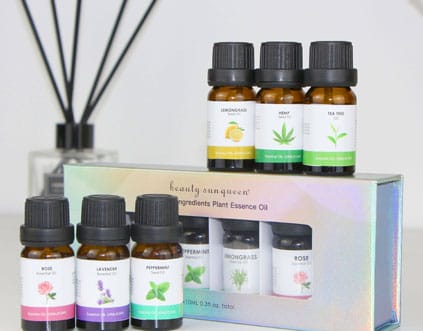
Once the essential oil passes the quality control tests, it is ready for bottling and packaging. The oil is carefully poured into dark glass bottles to protect it from sunlight and preserve its aromatic properties. Labels indicating the oil’s name, botanical species, extraction method, and other relevant information are affixed to the bottles.
15. Storing and Preserving Essential Oils
Proper storage is essential to maintain the quality and shelf life of essential oils. They should be stored in a cool, dark place, away from direct sunlight and heat sources. Additionally, essential oils should be kept tightly sealed to prevent oxidation and evaporation.